Technology Trends Shaping Fitness and Wellness Apps
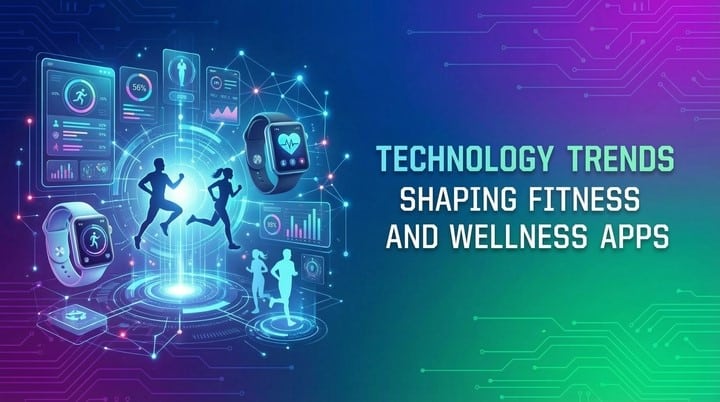
In the fitness app world, the game is all about retaining users. Retaining users doesn’t just mean they don’t uninstall your app. It means they are actively using and engaging with your app, which can drive long-term growth and profitability for your fitness and wellness apps.
Fitness apps usually do a much better job of keeping users around than general health and wellness apps. They keep users more engaged, with around 30–35% of users returning the day after install, compared to about 27% for general health and wellness apps.
Fitness apps tend to thrive on gamification and social dynamics features, while the apps of the healthcare category cater to the ongoing needs of their users. The key to remaining competitive in the business, therefore, is to offer features that are useful and make people want to come back.
What People Expect From Fitness and Wellness Apps
During and post-COVID, there are thousands of fitness apps available in the market. But most of them fail to understand that workout videos and a basic timer are not going to make it. Now, people want more personalized app experiences that help their lifestyle, goals, and preferences.
In this blog, we will walk you through the latest technology trends and features that are retaining the health-conscious and fitness users. Let’s dive in!
1. Fix Your Exercise Form
There’s always this feeling when you are doing a workout without a trainer. You are always thinking, “Is my form correct?” That problem is solved now with AI-powered form analysis.
This feature of your fitness app can use your phone’s camera to see your movements during the workout and give instant feedback on your form. This is also useful when you are doing strength training at home from the app because the correct form is crucial to avoid injuries.
2. Smart Rest and Recovery Planning
Ever wonder how you are supposed to take rest days without a gym trainer telling you to? This problem of when to take rest days is also solved with AI recovery suggestions.
It can monitor workout intensity, frequency, and factors like sleep tracking (when connected to wearables) to suggest rest days or just lighter workout sessions. This would help you in avoiding overtraining. This would keep people motivated to maintain their fitness routines over the long term.
3. Social Fitness Communities
Working out alone at home can be tough. It’s hard to find motivation with no peers or a trainer. That’s why apps have introduced social fitness features recently, where people can share their fitness achievements, compare progress, and even motivate other people. A great example of keeping users engaged is Strava. In 2022, when Strava launched its “Challenges” feature, its 90-day retention rate jumped from 18% to 32%.
Here’s how it works. You simply join a challenge in the app, complete activities like runs or rides, and Strava’s advanced features automatically track your progress. When you finish, you can earn badges, rewards, or just bragging rights. This shows how fun and goal-based activities can keep users coming back.
4. Custom Nutrition Plans for Your Workouts
Users don’t want apps that give them workout routines. Neither do they want apps that assume that every 80kg adult man has to do the same workout routine and eat a certain calories every day to lose weight. Instead, they want fitness and wellness apps that truly understand their routine and fitness goals.
For example, someone who is working as a doctor and someone who is running a marathon will have different nutritional needs. Similarly, if Adam has finished an intense HIIT workout, then he would expect his fitness app to suggest taking protein within the next hour to help his muscles recover.
5. Integrated Mental Health and Mindfulness
Users want apps that genuinely care about their mental health as well as their physical health. The most popular mental health features are breathing exercises, guided meditation, and sleep tracking.
Thanks to reliable fitness app development services, some apps are getting smart with stress detection too. They are using heart rate data to suggest when users might need a break to meditate. Mood journaling is also emerging as another big winner. After all, people love being able to journal how they’re feeling before and after workouts.
6. Wearables That Watch Over Your Health
When talking about fitness trends, how can we possibly forget the wearables? The apps, after the popularity of wearables, have transformed from basic step-tracking apps to full health monitoring ones. They are tracking the heart rate zones during your workouts, sleep quality scores, stress levels, and metrics for recovery. And, the best of these fitness apps are those that put this data to make your personalised training plans. Some successful examples include Apple Watch and HealthKit integration for iOS users and the Samsung Galaxy Watch for the Android ecosystem.
7. Gamification Features for User Retention
Yes, gamification is a powerful feature that keeps users stuck to your fitness app, and no, gamification is not just about throwing badges and points for walking 1000 steps. Such empty achievements seem inauthentic, and your users can smell them easily.
But your users do love earning badges for completing their first 2K. Or when they are hitting personal records of carrying a certain weight or maintaining their workout routine for a year. In these genuine cases, point systems can increase daily engagement. But remember that they need to feel meaningful. There should be a direct link to fitness milestones rather than arbitrary actions.
Wrapping It Up
Fitness apps are here, and they are here to stay. With so many options available on the Google Play Store and App Store, your users have become more picky about what exactly they want from a fitness app. They expect an app that knows their habits, routines, lifestyle, and preferences. They don’t want an app to show them a badge or track their steps. Rather, they want an ideal meal idea after walking those 7000 steps, and their heart rate is monitored while they are walking. So, if you are building a fitness app for the users, then you must listen to what they are telling you through these technology-backed trends.