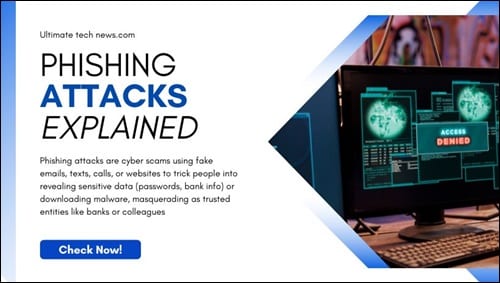
Phishing attacks are one of the most common and dangerous cyber threats today. These attacks trick users into sharing sensitive information such as passwords, bank details, or personal data by pretending to be a trusted source.
Understanding phishing is essential in the modern digital world, just like knowing the importance of cybersecurity for online safety.
What Is a Phishing Attack?
A phishing attack is a social engineering technique where attackers send fake emails, messages, or websites that look legitimate. The goal is to steal sensitive information or install malware on the victim’s device. Many scams today are based on social engineering techniques, especially phishing attacks that target unaware users.
Maintaining strong online privacy protection is one of the best defenses against such threats.
Why Phishing Attacks Are Increasing
Phishing attacks are growing rapidly because they rely on human error rather than technical weaknesses.
- Increase in online transactions
- Remote work and digital communication
- Easy availability of phishing tools
- Lack of user awareness
Latest Phishing Scams You Should Know
Recent phishing scams often impersonate banks, government agencies, delivery services, and popular online platforms.
These scams are frequently reported alongside other latest cybersecurity threats affecting users worldwide.
Common Types of Phishing Attacks
Email Phishing
Fake emails designed to look like official messages from trusted companies.
SMS Phishing (Smishing)
Fraudulent text messages that contain malicious links or fake offers.
Website Phishing
Fake websites that closely resemble legitimate ones to steal login credentials.
Phishing is also a major category within various types of cyber attacks used by cybercriminals.
Impact of Phishing Attacks
- Financial losses
- Identity theft
- Account compromise
- Data breaches
Many phishing campaigns eventually lead to more severe threats such as ransomware attacks.
How to Prevent Phishing Attacks
- Never click on suspicious links
- Verify sender email addresses carefully
- Enable two-factor authentication
- Use updated antivirus software
- Educate users about phishing techniques
Trusted External Resource on Phishing
For official alerts and phishing awareness guidance, users can visit phishing attack awareness alerts published by cybersecurity authorities.
Frequently Asked Questions (FAQ)
How can I identify a phishing email?
Look for spelling mistakes, urgent messages, unknown senders, and suspicious links.
Can phishing attacks affect mobile users?
Yes, phishing attacks frequently target mobile users through SMS and social media.
What should I do if I click a phishing link?
Immediately change passwords, disconnect from the network, and run a security scan.
Conclusion
Phishing attacks continue to evolve and target users across all platforms. Staying informed, alert, and cautious is the best defense against online scams.
Follow our Cybersecurity News section for regular updates and safety tips.